Third French Republic History
How It Began (1870)
In 1870, France was defeated by Prussia in the Franco-Prussian War. Emperor Napoleon III was captured at the Battle of Sedan.
Soon after, the empire collapsed and France declared the Third Republic in September 1870.
At first, many politicians expected the republic to be temporary, but it gradually became permanent.
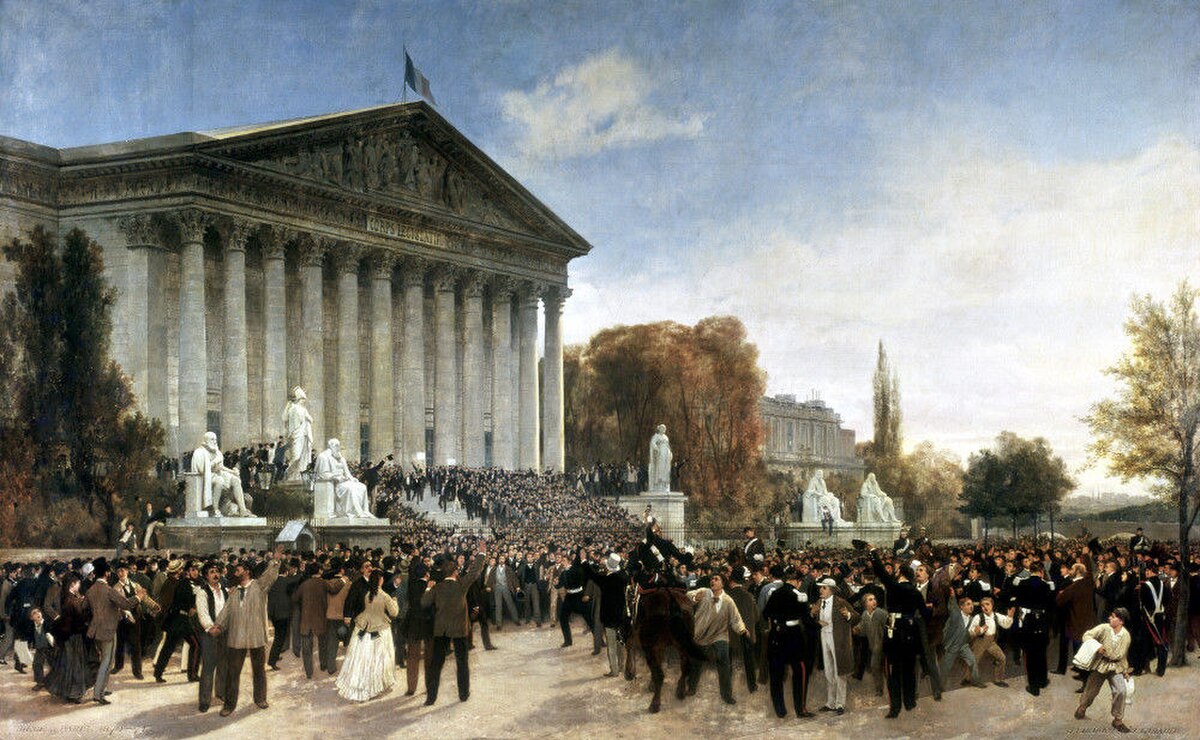
Early Years and Challenges (1870s)
The new republic faced serious problems
The loss of Alsace-Lorraine to Germany
The violent uprising of the Paris Commune in 1871
Political conflict between monarchists and republicans
By 1875, constitutional laws were passed that officially established a parliamentary system with a president and two legislative chambers.
Republican Stability and Reform (1880s-1914)
Over time, the republic became more stable and strongly republican.
Major developments included:
Expansion of public education
Separation of Church and State
Growth of French colonial empire in Africa and Asia
Strengthening of democratic institutions
One major political crisis during this time wa the Drefus Affair, which deeply divided French soviety over issues of justive, antisemitism, and the power of the military.
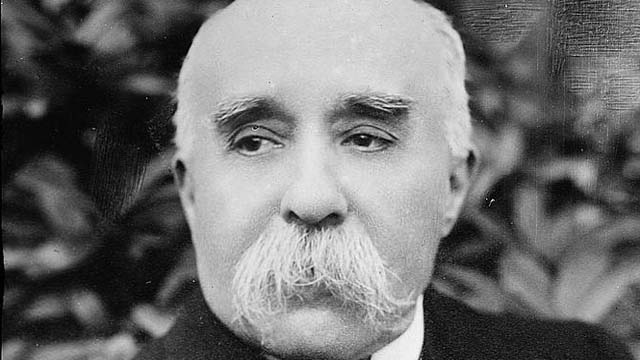
World War I (1914-1918)
The Third Republic led France through World War I against Germany and its allies.
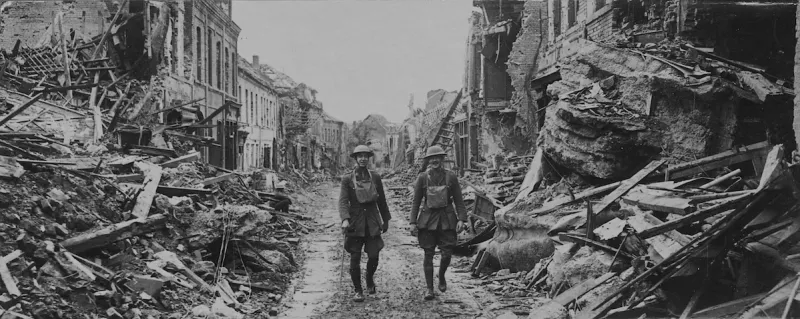
Although France was victorious, the war caused:
Massive casualties
Economic strain
Political tension
The postwar period was marked by rebuilding and instability.
Decline and Fall (1930s-1940)
During the Great Depression, France experienced:
Economic crisis
Political divisions
Weak coalition governments
In 1940, Germany invaded and quickly defeated France during World War II. The government collapsed, ending the Third Republic and leading to the Vichy regime.