Kingdom of France History
The Bourbon Restoration (1815-1830)
After Napoleon's final defeat at the Battle of Waterloo, the monarchy was restored under Louis XVIII, brother of Louis XVI.
Louis XVIII (1814-1824)
Ruled as a constitutional monarch.
Accepted the Charter of 1814, which kept some revolutionary reforms.
Tried to balance royal authority with the changes brought by the Revolution.
Charles X (1824-1830)
After Louis XVIII died, his brother Charles X became king.
He was more conservative and tried to restore traditional royal power.
Passed laws favouring nobles and the Church.
Restricted press freedom.
His unpopular policies led to the July Revolution of 1830, forcing him to abdicate and flee France.
The July Monarchy (1830-1848)
After Charles X was overthrown, Louis-Philippe I became king. He was called the "Citizen King."
Ruled as a constitutional monarch.
Represented the interests of the wealthy middle class.
Expanded economic growth and industrialization.
Voting rights were limited to wealthy men.
Over time, many working-class people and republicans became unhappy with political inequality and economic hardship.
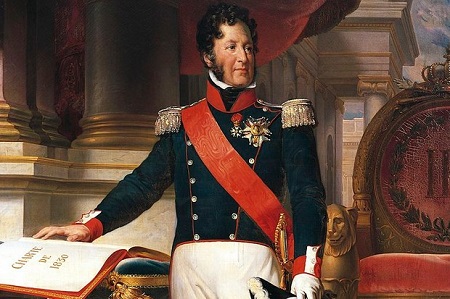
End of the Restored Kingdom
In 1848, widespread protests and economic crisis led to the Revolution of 1848. Louis-Philippe abdicated and fled ending the monarchy.
France then established the Second Republic.